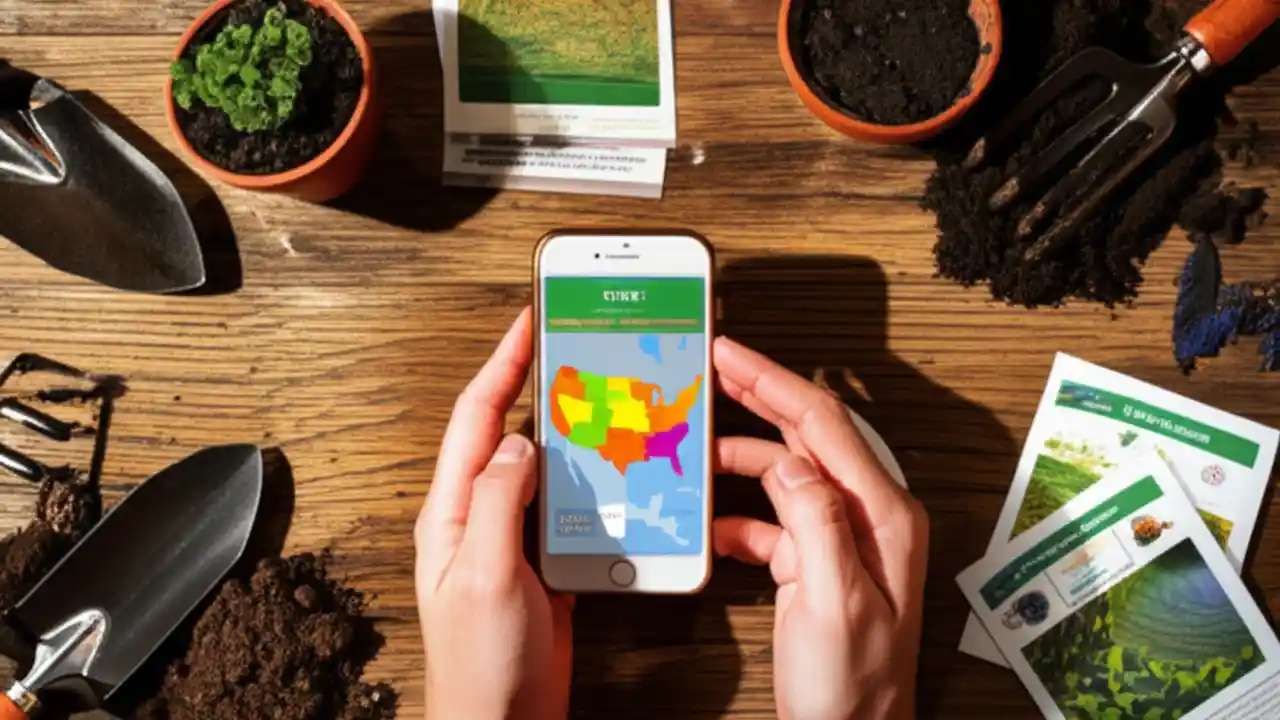
Unlock Gardening Success: Find Your USDA Gardening Zone By ZIP Code
Embarking on a gardening journey, whether you're a seasoned horticulturist or a budding enthusiast, often begins with a fundamental question: what can I successfully grow here? The answer, surprisingly precise, lies in understanding your specific climate, and there's no better tool for this than the USDA Plant Hardiness Zone Map. This invaluable resource provides a detailed blueprint, allowing you to quickly find your Gardening Zone By Zip Code and unlock a world of informed planting decisions.
Gone are the days of guesswork or relying solely on regional assumptions. The USDA's system, a cornerstone for gardeners across the United States, translates complex climatic data into actionable zones, ensuring your efforts in the garden are rewarded with thriving plants. Knowing your zone is the first, crucial step toward creating a flourishing landscape, protecting your investment in plants, and truly maximizing your gardening potential.
What Are USDA Plant Hardiness Zones, and Why Do They Matter?
The USDA Plant Hardiness Zone Map is more than just a colorful diagram; it's a meticulously crafted system developed by the United States Department of Agriculture to guide both the agricultural industry and individual gardeners. It divides the entire U.S. into distinct zones, ranging from 1A to 13B, each defined by its average annual minimum winter temperature. This comprehensive system spans an impressive temperature range, from a frigid -60 degrees Fahrenheit in the coldest zones to a balmy 70 degrees Fahrenheit in the warmest.
Initially conceived to provide essential information for professional landscapers, farmers, and plant companies – allowing them to demonstrate which plants would thrive in which areas based on climate – the system quickly proved indispensable for backyard gardeners. It simplifies the complex task of matching plants to their ideal environments, drawing parallels between a plant's native climate and similar conditions found across the USDA map.
Understanding your specific zone is critical for several reasons:
- Plant Compatibility: It helps you identify which plants are genetically suited to survive the lowest winter temperatures in your area, and conversely, which ones will struggle or perish.
- Perennials vs. Annuals: For many gardeners, this is the most significant takeaway. A plant that is a true perennial (returning year after year) in a warmer zone might only survive a single season in a colder zone, where it must be treated as an annual.
- Investment Protection: Planting a garden, whether starting from seeds or purchasing established seedlings, represents a significant investment of time, effort, and money. Knowing your Gardening Zone By Zip Code prevents costly mistakes by ensuring you choose plants with a high probability of survival.
- Gardening Success: Ultimately, it dramatically increases your chances of success, leading to healthier plants, more abundant blooms, and a more satisfying gardening experience.
The ability to instantly find your Gardening Zone By Zip Code transforms what could be a daunting task into a simple, empowering step towards cultivating the garden of your dreams.
Decoding the USDA Zone System: Beyond Regional Assumptions
It's a common misconception to assume that the USDA Plant Hardiness Zone Map is simply divided by state lines or broad geographic regions. Many people expect areas within the same state to share identical climate conditions. However, this is far from how the system operates. The zones are not determined by political boundaries or general regional perceptions, but by precise climatic data.
The accuracy of the USDA Hardiness Zone Map stems from its data-driven approach. It was created by collecting extensive temperature data from weather stations across the United States. This data is then meticulously analyzed to determine the average annual minimum winter temperature for specific areas. Based on these averages, the distinct USDA zones are established.
Each full zone represents a 10-degree Fahrenheit temperature range. To provide even greater precision for gardeners, these zones are further divided into 'a' and 'b' subzones, each representing a narrower 5-degree Fahrenheit increment. For example, Zone 9A might have an average annual minimum winter temperature of 20-25°F, while Zone 9B would be 25-30°F.
Consider the impact of this specificity: if you're planting in Zone 9A, any perennial you choose must be capable of surviving a minimum temperature of 20 degrees Fahrenheit to thrive year after year. If a plant isn't rated for that threshold, you'll need to treat it as an annual, meaning it will complete its life cycle in one growing season and won't return the following year.
This nuanced approach explains why two towns in relatively close proximity, or even different parts of the same large city, might fall into different hardiness zones. Factors like elevation, proximity to large bodies of water, urban heat islands, and protective microclimates can all influence local minimum temperatures, resulting in variations that defy simple regional categorization. This is precisely why relying on a tool to find your Gardening Zone By Zip Code is vastly more accurate and beneficial than making assumptions based on your state or region. To dive deeper into how these zones define local climates beyond mere geography, read our article: Beyond Region: How USDA Planting Zones Define Your Climate.
How to Find Your Gardening Zone By ZIP Code Instantly
In today's digital age, finding your USDA Plant Hardiness Zone is incredibly simple and instantaneous. You no longer need to scrutinize a physical map, trying to pinpoint your exact location within a maze of colored regions. Modern online tools leverage the precise data from the USDA Hardiness Map to provide an accurate zone determination with minimal effort.
The process is straightforward:
- Locate a reliable online tool: Many reputable gardening websites, nurseries, and agricultural resources offer a zone finder.
- Enter your ZIP code: This is the key piece of information needed. Your ZIP code directly corresponds to a specific geographic area for which temperature data has been analyzed.
- Receive your zone: With a click or a tap, the tool will display your USDA Plant Hardiness Zone, often including the 'a' or 'b' subzone for maximum precision.
These interactive tools are typically based on the most current data available, such as the USDA Plant Hardiness Map of 2012 (or later revisions). They empower gardeners to make informed decisions about plant selection without any prior knowledge of climate science. Knowing your Gardening Zone By Zip Code ensures that you're working with the most accurate information available for your specific location.
Maximizing Your Gardening Potential with Zone Knowledge
Once you've identified your USDA Hardiness Zone, a world of strategic gardening opens up. This isn't just a number; it's a powerful guide for every aspect of your garden planning:
- Strategic Plant Selection: Armed with your zone, you can confidently choose plants, trees, and shrubs that are rated to thrive in your area. Look for plant tags or catalog descriptions that specify "Hardy to Zone X." Prioritize plants that fall within your zone or a colder one (e.g., if you're in Zone 7, a plant hardy to Zone 6 will likely do well).
- Distinguishing Perennials from Annuals: As discussed, your zone dictates whether a plant will reliably return each year. If a plant is beautiful but only hardy to a warmer zone than yours, you know to treat it as a temporary annual. This saves you the disappointment of losing cherished plants to winter freezes.
- Planning for Frost Dates: While your hardiness zone tells you about minimum winter temperatures, it's also crucial to understand your average first and last frost dates. These dates dictate when it's generally safe to plant tender annuals, vegetables, or to protect vulnerable plants in spring and fall.
- Considering Microclimates: Even within your zone, your garden might have unique microclimates. A south-facing wall can offer more warmth, creating a pocket suitable for slightly less hardy plants. Conversely, a shady, low-lying area might be a "cold spot." Use your zone as a baseline, then observe your garden's unique characteristics.
- Effective Winter Protection: For plants on the edge of your hardiness zone, or if you want to push the boundaries slightly, knowing your zone helps you plan appropriate winter protection strategies. This could include mulching, wrapping, or moving potted plants indoors.
- Efficient Investment of Resources: Every seed sown, every seedling purchased, and every hour spent weeding is an investment. By aligning your plant choices with your hardiness zone, you significantly increase the likelihood of success, making your gardening efforts more productive and enjoyable. For a comprehensive look at how this data shapes your garden, explore USDA Hardiness Zones: Why Your ZIP Code Dictates Plant Choices.
Conclusion
In the grand tapestry of gardening, understanding your USDA Plant Hardiness Zone by simply looking up your Gardening Zone By Zip Code is an essential thread. It transforms a potentially daunting endeavor into an informed, successful pursuit. By knowing your specific climate's lowest average temperatures, you can select plants that are destined to thrive, distinguish between perennials and annuals with confidence, and make strategic decisions that protect your gardening investments.
Embrace this powerful tool, integrate it into your garden planning, and watch as your efforts yield a vibrant, resilient landscape perfectly suited to its environment. Your journey to gardening success begins with a single, crucial piece of information: your zone.