USDA Hardiness Zones: Why Your ZIP Code Dictates Plant Choices
Every gardener, from the seasoned professional to the eager novice, dreams of a thriving landscape bursting with vibrant life. Yet, for many, gardening can feel like a game of chance – some plants flourish, while others mysteriously wither, despite the best care. What if there was a secret weapon, a foundational piece of knowledge that could dramatically tip the odds in your favor? There is, and it's intrinsically linked to something as simple as your ZIP code: the USDA Plant Hardiness Zone Map. Understanding your **gardening zone by ZIP code** is not just a recommendation; it's the first, most crucial step towards cultivating a truly successful garden.
Understanding the USDA Plant Hardiness Zone Map
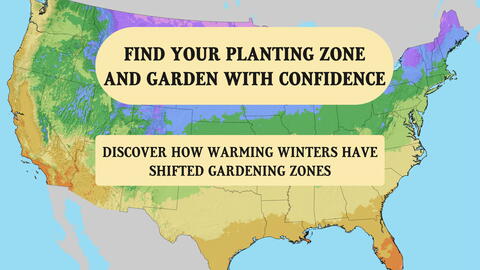
At its core, the USDA Plant Hardiness Zone Map is a geographical guide developed by the U.S. Department of Agriculture to help both the agricultural industry and home gardeners identify which plants are most likely to survive the winter temperatures in a specific location. Imagine the entire United States, Canada, and Mexico divided into distinct climate regions, not by state or traditional geographical boundaries, but by their average annual minimum winter temperatures. This is precisely what the map illustrates.
The map categorizes these regions into 13 primary zones, ranging from Zone 1 (the coldest) to Zone 13 (the warmest). To provide even greater precision, each of these zones is further subdivided into 'a' and 'b' sub-zones, representing a 5°F difference. For instance, Zone 6a would be slightly colder than Zone 6b. These zones span an impressive temperature spectrum, with Zone 1A enduring minimum temperatures as low as -60°F, while Zone 13B boasts a balmy minimum of 70°F.
Initially designed as a vital resource for commercial growers, professional landscapers, and farmers to make informed decisions about crop and plant selection, this sophisticated system quickly proved its immense value to backyard enthusiasts. It provides a standardized language for plant nurseries and seed companies to communicate a plant's winter hardiness, making it easier for everyone to select species best suited for their specific environment. The idea is elegantly simple: match plants with climates similar to their native habitats, thereby setting them up for optimal growth and survival.
Why Your ZIP Code is Your Gardening GPS
It’s a common misconception to assume that your climate can be determined simply by the state or region you reside in. After all, we often generalize about the weather in California or New England. However, the reality on the ground is far more nuanced. This is precisely why relying on your specific **gardening zone by ZIP code** is infinitely more accurate and beneficial.
The USDA Plant Hardiness Zone Map is not delineated by state lines but by climatic conditions, which can vary dramatically even within a few miles. Factors like elevation, proximity to large bodies of water, urban heat islands, and mountainous terrain all contribute to unique microclimates. Two towns in the same state, separated by a mountain range or a few dozen miles, might fall into entirely different hardiness zones. For example, a coastal area might be significantly warmer in winter than an inland region at a higher elevation, even if they are in the same county. For a deeper dive into this concept, you might find our article
Beyond Region: How USDA Planting Zones Define Your Climate particularly insightful.
The precision of using your ZIP code stems from the methodology behind the map’s creation. The USDA collected extensive climate data from weather stations across the United States. This data was then used to calculate the *average annual minimum winter temperature* for each specific area. This average isn't the coldest temperature ever recorded, but rather the average of the lowest temperatures recorded each winter over a long period. This metric provides a reliable indicator of the extreme cold a plant must tolerate to survive the winter in a given location. By inputting your ZIP code into a hardiness zone finder, you access this highly localized data, giving you the most accurate picture of your garden’s fundamental climatic limitations.
Impact on Your Plant Choices: Perennials vs. Annuals
Knowing your **gardening zone by ZIP code** is absolutely critical when selecting plants, particularly if you envision a garden filled with perennials.
* **Perennials** are plants that return year after year, typically dying back to the ground in winter and re-emerging in spring. For a plant to truly act as a perennial in your garden, it must be "hardy" to your specific USDA zone or a colder one. This means it can withstand the average annual minimum winter temperatures of your area without dying. For instance, if you live in Zone 7A, a plant labeled "Hardy to Zone 7" or colder (e.g., Zone 6, Zone 5) should survive your winter and return. If you attempt to plant something labeled "Hardy to Zone 8" in your Zone 7A garden, it’s highly unlikely to survive the winter cold.
* **Annuals**, on the other hand, complete their entire life cycle (germinate, grow, flower, produce seeds, and die) within a single growing season. Many plants that are perennials in warmer climates must be treated as annuals when grown outside their hardiness zone. For example, a stunning flowering plant that is a perennial in Zone 9 might only survive one season in Zone 6. Gardeners in Zone 6 would then need to replant it every spring, incurring additional cost and effort.
Think about the time, energy, and money invested in starting plants from seeds or purchasing seedlings. To have them perish during the first frost simply because they weren't suited for your zone is disheartening and wasteful. Understanding your zone helps you avoid this frustration. It allows you to select plants with confidence, knowing they possess the inherent ability to thrive in your specific winter climate. For those ready to take their gardening to the next level, our guide
Unlock Gardening Success: Find Your USDA Zone by ZIP Code offers practical steps.
While hardiness zones are primarily concerned with minimum winter temperatures, it's also worth noting that for annuals and even some perennials, understanding your region's last and first frost dates is equally important for timing planting. These dates dictate when it's safe to plant tender annuals in spring and when to harvest heat-sensitive crops in fall.
Beyond Hardiness: What the Zones Don't Tell You
While invaluable, the USDA Plant Hardiness Zone Map is not the only piece of the gardening puzzle. It's a foundational tool, but successful gardening requires considering several other crucial factors:
* **Average Maximum Temperatures (Heat Zones):** The USDA map focuses solely on winter lows. Many plants also struggle with extreme summer heat. The American Horticultural Society (AHS) offers a Plant Heat-Zone Map, which delineates zones based on the average number of "heat days" (temperatures above 86°F or 30°C) per year. Combining both hardiness and heat zone information provides an even more comprehensive picture.
* **Sunlight Requirements:** Does your chosen plant need full sun (6+ hours direct sunlight), partial shade (3-6 hours), or full shade (less than 3 hours)? This is paramount.
* **Soil Type and pH:** Different plants thrive in different soil compositions (sandy, clay, loamy) and pH levels (acidic, neutral, alkaline).
* **Water Needs:** Is the plant drought-tolerant or does it prefer consistently moist soil?
* **Wind Exposure:** Strong winds can dry out plants quickly and cause physical damage, especially to young or tender specimens.
* **Microclimates within Your Garden:** Even within a single yard, variations can occur. A bed against a south-facing brick wall will be warmer than one on the north side of your house, or a sheltered spot under a large tree.
The hardiness zone is your starting point, a filter that eliminates unsuitable candidates. From there, you layer on these other environmental factors to make the most informed plant selections.
Conclusion
For every aspiring and experienced gardener, knowing your **gardening zone by ZIP code** is an empowering piece of information. It demystifies plant selection, turning what might once have felt like a gamble into a strategic and informed decision. By understanding the average annual minimum winter temperatures your specific location experiences, you can confidently choose plants – especially perennials – that are truly suited to thrive, rather than merely survive. This knowledge saves you money, time, and the heartache of plant loss, ultimately leading to a more vibrant, resilient, and rewarding garden. Your ZIP code isn't just for mail delivery; it's your personal guide to unlocking your garden's full potential.